
Fleet operations
Longer semi-trailers: route planning before extra capacity
Longer semi-trailers entered general use in Great Britain with specific notification, route-planning and record-keeping duties.
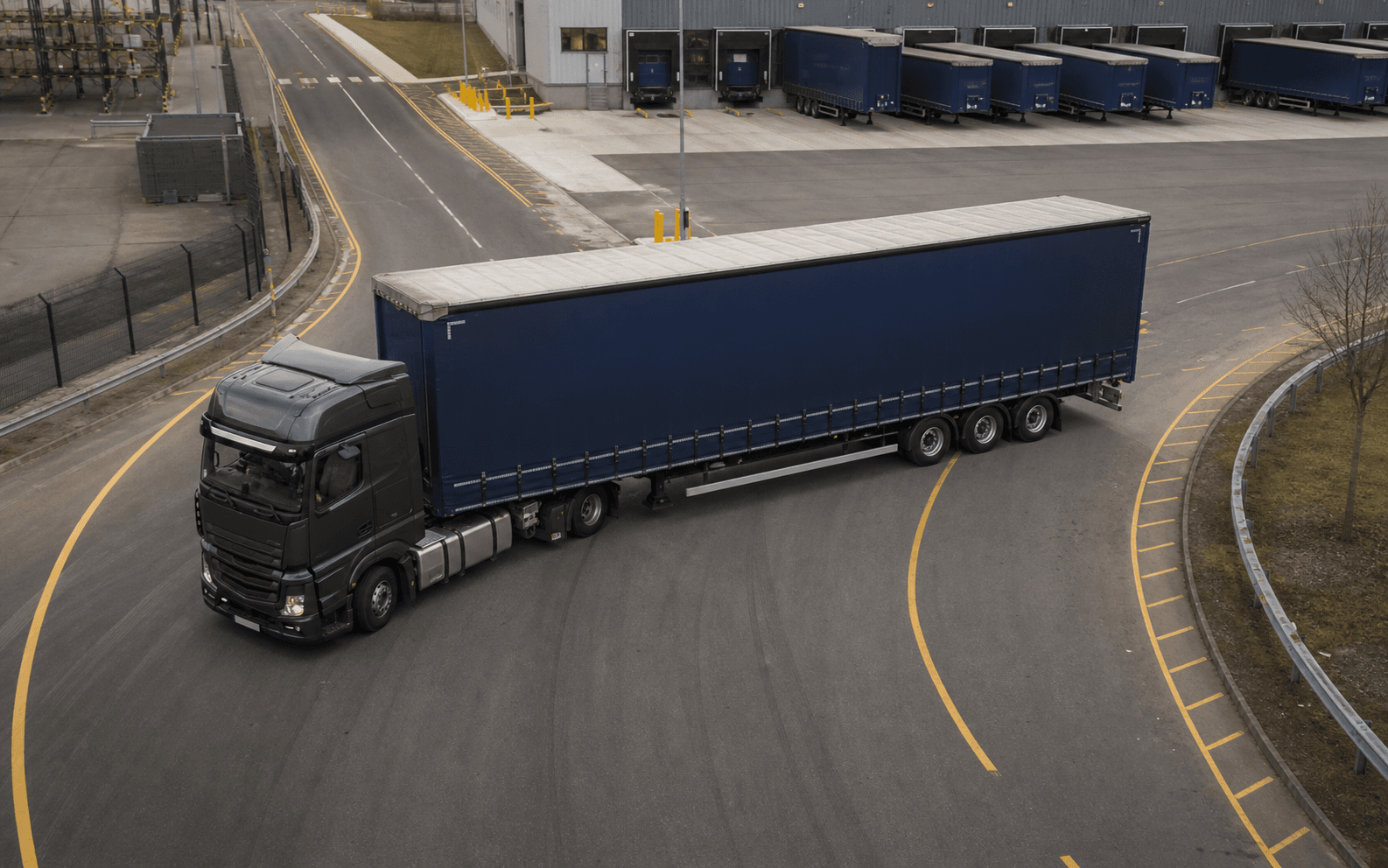
Longer semi-trailers can add carrying capacity, but they are a distinct vehicle type with operating conditions beyond those for a standard semi-trailer.
Know the dimensions and limits
An LST can be up to 15.65 metres long, producing an articulated combination up to 18.55 metres. The load must not project beyond the rear, and the trailer has to meet the technical requirements of the governing order.
Before first use, the operator must notify the Secretary of State of the intention to use the trailer on the road.
Plan the full route
Operators must be reasonably satisfied that the planned route can accommodate the vehicle. The assessment should consider junction geometry, access points, vulnerable road users and foreseeable diversions rather than relying on a sat-nav route alone.
Build the process around the trailer
Route plans and risk assessments need to be retained for two years. Although dedicated LST driver training is recommended rather than a separate legal qualification, drivers should understand steering behaviour, route documents and what to do when a closure forces a change.
The route assessment should travel with the job information in a form the driver can use. If access changes, the safest response is a controlled review of the alternative—not an assumption that a longer combination can follow the diversion used by standard trailers.
- Notify each trailer before first road use
- Assess depots, delivery points and diversion routes
- Keep route plans and risk assessments for two years