
Drivers
Driver CPC reform: national flexibility and returning to work
National Driver CPC introduced shorter course blocks, while new return-to-driving routes began on 1 February 2025.
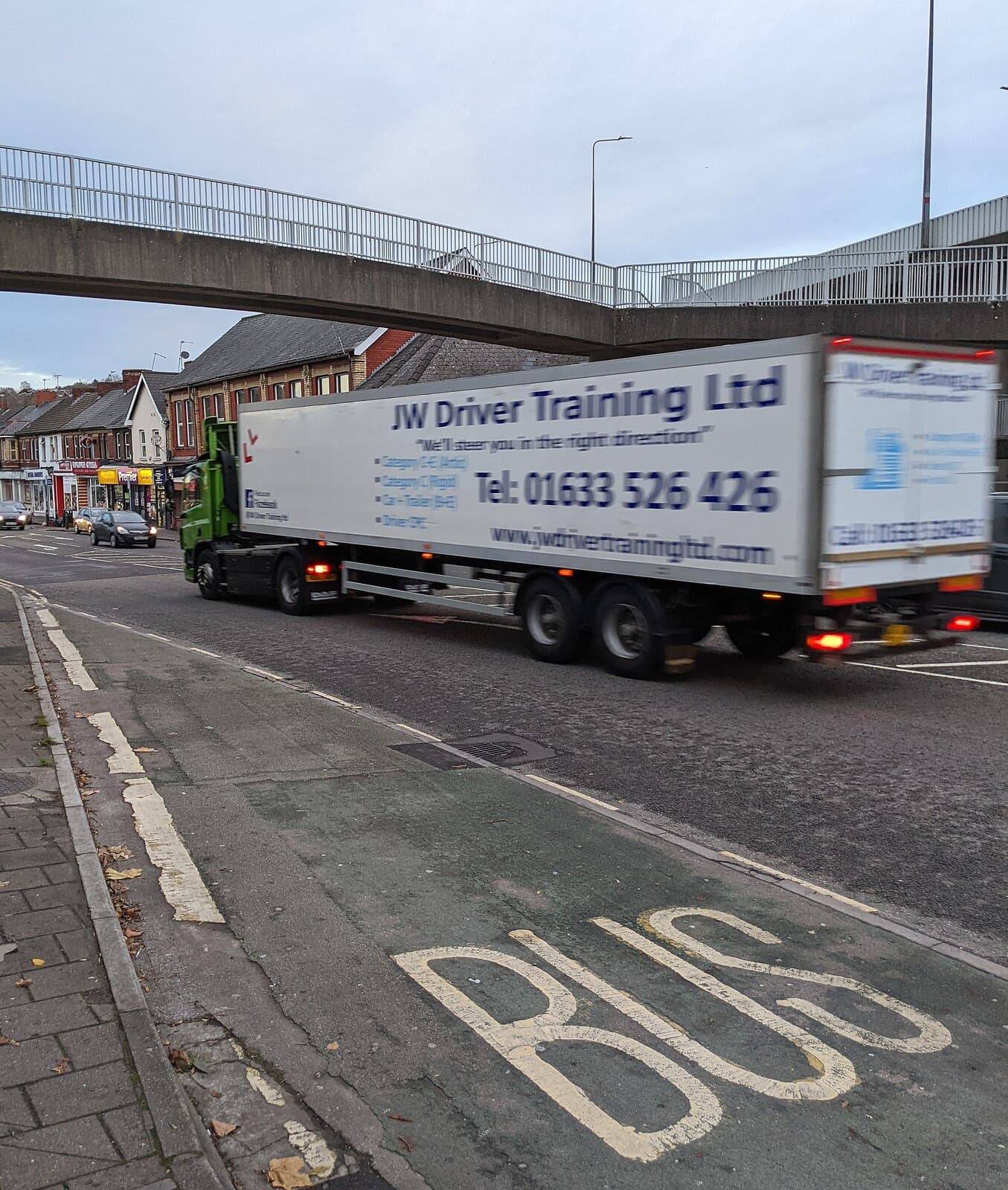
Driver CPC was not abolished. It was divided into International and National options, with extra flexibility for drivers working only in the UK and a quicker supervised route back for some lapsed drivers.
National or International
International Driver CPC keeps the established 35 hours of periodic training every five years and supports professional driving in both the UK and EU. National Driver CPC is for UK-only work and allows approved courses as short as three hours and thirty minutes.
A driver who may cross into the EU should keep the international requirement in view. A domestic-only card is marked for UK use and is not a substitute for international entitlement.
Returning after expiry
From 1 February 2025, drivers whose CPC expired between 60 days and two years ago may take an approved seven-hour return-to-driving module and resume professional driving in the UK. They then need another 28 hours within twelve months. Other routes remain available, and longer-expired qualifications follow different rules.
Plan training around the work
Fleet managers should decide whether each role is genuinely domestic before booking National Driver CPC training.
Training plans should follow the journeys a driver may reasonably be asked to complete, not only the work on today's roster. Where international work is possible, retaining the broader qualification can prevent avoidable restrictions when contracts or driver allocations change.
- Record card expiry dates well ahead of roster planning
- Match the training route to UK-only or international work
- Remember that drivers must still carry their qualification card